Chenille embroidery is gaining renewed attention in the global apparel and accessories market. Once strongly associated with traditional varsity jackets and collegiate lettering, chenille patches are now being used across streetwear, fashion collections, sportswear, caps, bags, uniforms and branded merchandise.
For overseas buyers, the trend represents more than a change in style. Improvements in embroidery technology, yarn selection and production processes are making it possible to create chenille patches with richer texture, cleaner details and more flexible customization.
Why Chenille Embroidery Is Back in the Spotlight?
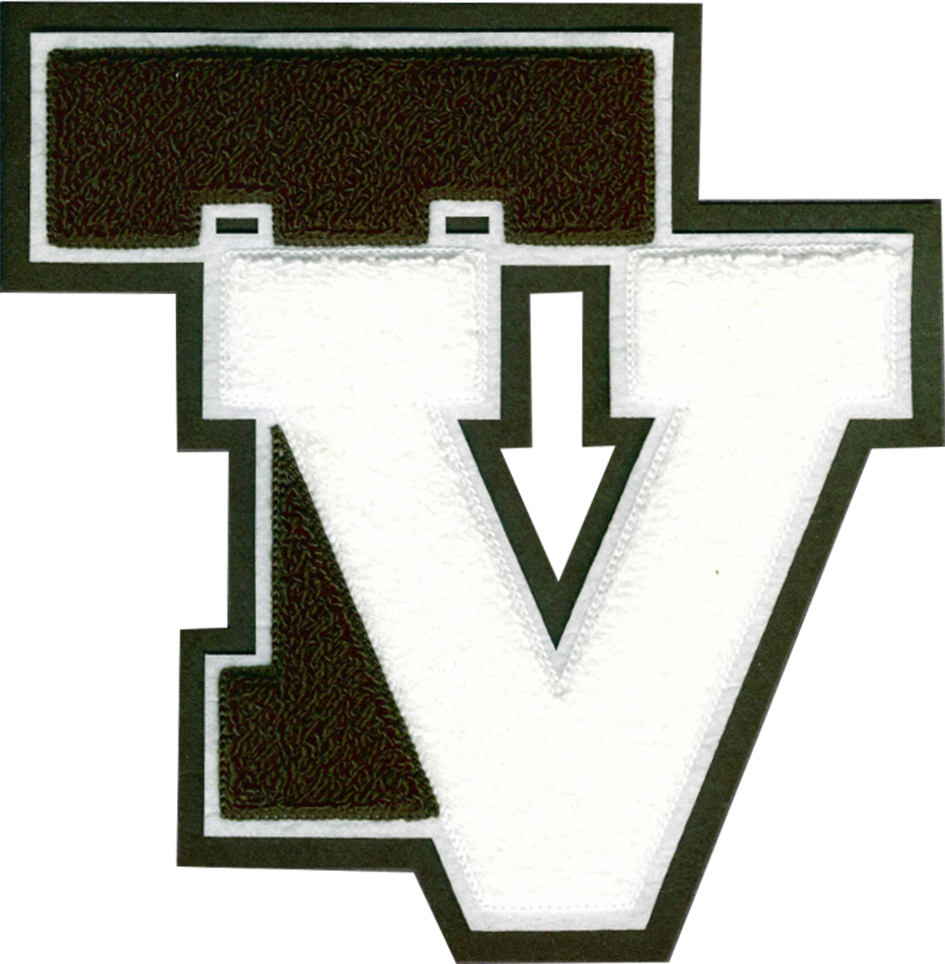
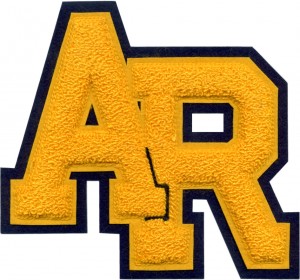
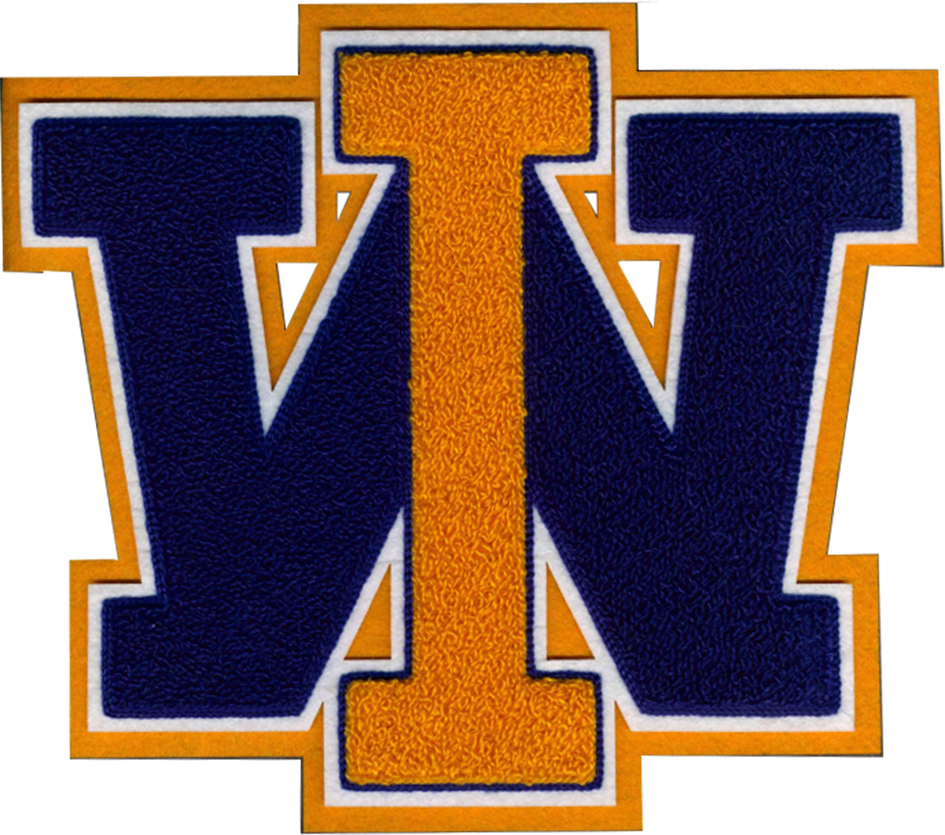
One of the biggest advantages of chenille embroidery is its distinctive three-dimensional texture.
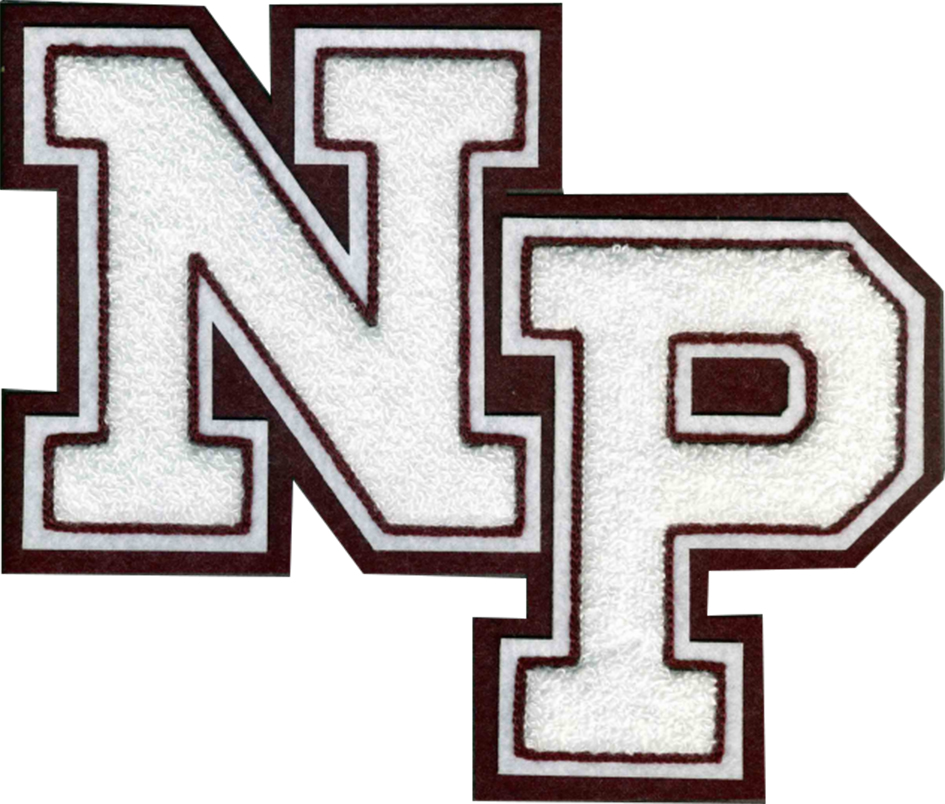
Unlike conventional flat embroidery, chenille uses looped yarn to create a soft, towel-like surface. This gives letters, logos and graphic elements greater visual depth and makes the finished patch stand out on garments.
The combination of retro aesthetics and modern customization has made chenille particularly attractive for fashion labels, sports brands, schools, clubs and promotional merchandise programs.
Popular applications include:
- Varsity and letterman jackets
- Hoodies and sweatshirts
- Baseball caps
- Sports team apparel
- Fashion and streetwear
- Backpacks and accessories
- School and club uniforms
- Custom logo merchandise
Chenille vs. Traditional Embroidery: Which Should Buyers Choose?
The right embroidery technique depends on the design and the desired finished appearance.
Chenille embroidery is ideal when buyers want a soft, raised and highly visible texture. It works especially well for larger letters, numbers, mascots and bold graphic designs.
Traditional embroidery, on the other hand, provides finer stitch definition and is generally better suited to small lettering and detailed logos.
For this reason, many modern patches combine both techniques.
A chenille area can create volume and texture, while conventional embroidery can be added around borders, lettering or small design elements to improve definition. This hybrid construction gives designers greater flexibility while maintaining the signature chenille look.
Material Selection Matters
Price is important, but material selection can have an equally significant impact on the finished product.
A good chenille patch should maintain a consistent loop structure, clear shape and stable color while complementing the garment or accessory to which it will be applied.
For fashion and premium merchandise, buyers may prioritize softer texture and dimensional appearance. For uniforms, clubs or sports applications, durability and consistent production quality may be more important.
Sampling before mass production is therefore highly recommended, particularly for custom colors or complex designs.
Customization Is Driving the Next Generation of Chenille Patches
Customization remains one of the strongest trends in the embroidery industry.
Brands increasingly want patches that reflect their own identity rather than standard stock designs. This includes custom shapes, Pantone-matched colors, mixed embroidery techniques, special borders and different backing systems.
Digital artwork preparation and modern embroidery equipment also make it easier to translate creative concepts into production-ready designs.
For purchasing teams, this means chenille embroidery can now be considered not only for traditional varsity products but also for seasonal fashion collections, limited editions and branded merchandise.
Evergreen: Custom Chenille Patch Manufacturing for Global Buyers
Evergreen specializes in customized embroidery products, including chenille patches, embroidered patches, woven badges, printed badges and woven insignia.
We work with overseas buyers on customized patch projects based on their artwork, size, quantity, material and application requirements.
Whether you are sourcing chenille letters for varsity jackets, textured logo patches for a fashion collection, or custom badges for sportswear and promotional products, our team can help evaluate the appropriate manufacturing solution.
Request a Quote
Planning your next chenille patch project?
Send us your artwork, required size, quantity, colors and backing preference. Our team can review your specifications and provide a customized quotation and sampling solution.
Contact Evergreen today to discuss your custom chenille embroidery project.
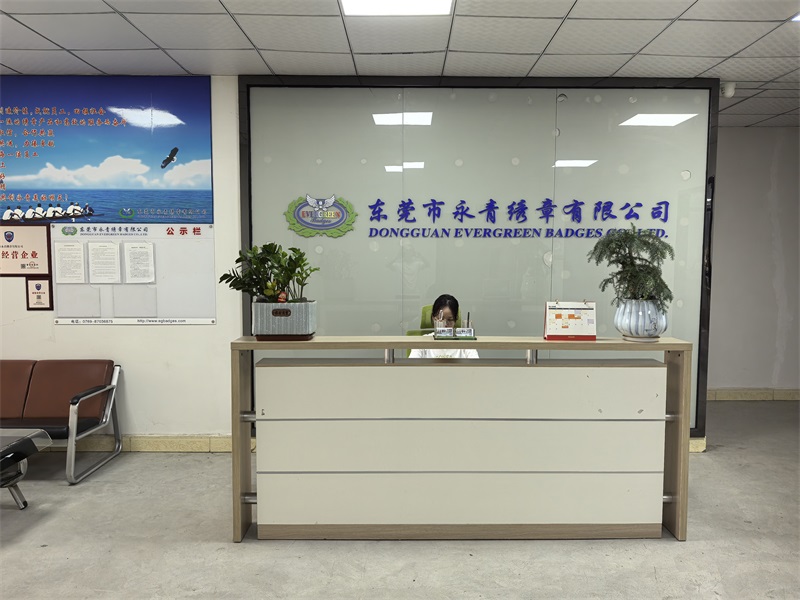

Dongguan Evergreenbadges Co., Ltd.
Our product range including:embroidered patches, woven patches, chenille patches, printed patches, leather patches, PVC patches, silicone embossed patches, epaulettes and brassards.
Address: 2nd Building, No. 5, Guxia Industrial 2nd Rd., Shipai Town, Dongguan City, Guangdong Province
Phone: +86-769-87036875 / +86-18898701468
Email: sales@egbadges.com
Post time: Oct-21-2026


