Plain embroidery, also known as fine embroidery, is a type of embroidery technique that is completed on a flat base by using various stitches such as straight stitch, loop stitch, overcast stitch, and puff stitch. It is the basic stitch technique in embroidery.
Within the category of plain embroidery, it can be further divided into three styles: plain stitch embroidery, adjacent stitch embroidery, and tatami embroidery.
Plain stitch embroidery, due to its simplicity, is suitable for brand logos and simple patterns. Through rapid stitch jumps, it creates a modern and sporty feel.
adjacent stitch embroidery When using embroidery needles, the work becomes even more delicate, suitable for small characters and complex textures. Precise stitches and patience are required to ensure the clarity and beauty of the pattern.
The tatami embroidery mimics the texture of tatami mats and is suitable for large-scale detailed patterns. It showcases the coherence and consistency of complex floral, animal or abstract designs through a three-dimensional layering effect.
Feature: Added a certain level of quality to the relatively clean and smooth fabric.
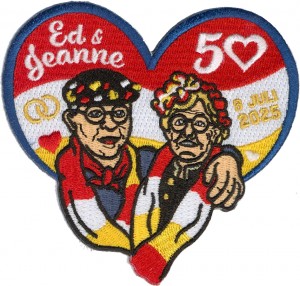
Three-dimensional embroidery, also known as bobbin embroidery, is a type of embroidery technique that gives the patterns a three-dimensional texture. It creates three-dimensional patterns by wrapping EVA glue around the embroidery thread. Using foam for embroidery makes the patterns or the finished products appear more three-dimensional and lifelike.
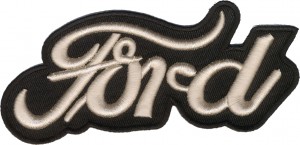
Chenille patch, also known as chenille embroidery, is a three-dimensional embroidery technique. Its appearance and texture are similar to those of towel fabric. This embroidery method is divided into two types: manual and computerized.
Currently, large-scale production mainly adopts computerized towel embroidery. This technology enables the creation of any pattern and color of embroidery. Due to the rich texture, innovation and strong three-dimensionality of towel embroidery, it has gained popularity among consumers and designers, and has become very popular in recent years.
Advantages: The surface texture is clear, the feel is extremely soft, the design is unique and novel, it is firm and does not easily come off. It has a certain visual weight. In recent years, it has been widely used in men's and women's T-shirts and sweatshirts.
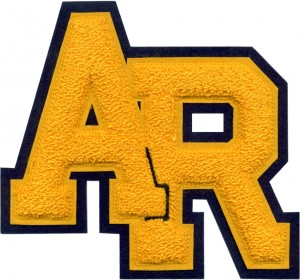
Patchwork embroidery, also known as patchwork embroidery, is a technique where another fabric is superimposed on the base fabric for embroidery, aiming to enhance the three-dimensionality or layered effect of the clothing. This embroidery method includes two forms: border embroidery and patchwork hollow-out embroidery.
The specific operation is as follows: First, cut the fabric patches to the desired shape based on the design pattern, and then place them on the embroidery cloth. To enhance the three-dimensionality of the pattern, sometimes cotton or other fillers are added between the fabric patches and the embroidery cloth to make the pattern appear more raised. Finally, use various stitch techniques to sew the edges of the fabric patches together to complete the entire fabric patch embroidery process.
Features: The applique embroidery technique is simple, and the patterns are mainly composed of solid blocks. There are various methods for handling the edges of the appliques, such as binding, covering, and pressing. Appliques can also be supplemented with techniques like embroidery and hand-painting. The overall style is simple and elegant.
About Us
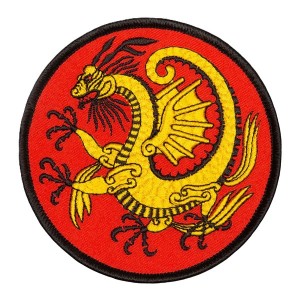
Our product range including:embroidered patches, woven patches, chenille patches, printed patches, leather patches, PVC patches, silicone embossed patches, epaulettes and brassards.
Address: 2nd Building, No. 5, Guxia Industrial 2nd Rd., Shipai Town, Dongguan City, Guangdong Province
Phone: +86-769-87036875 / +86-18898701468
Email: sales@egbadges.com
Post time: Jun-30-2025


